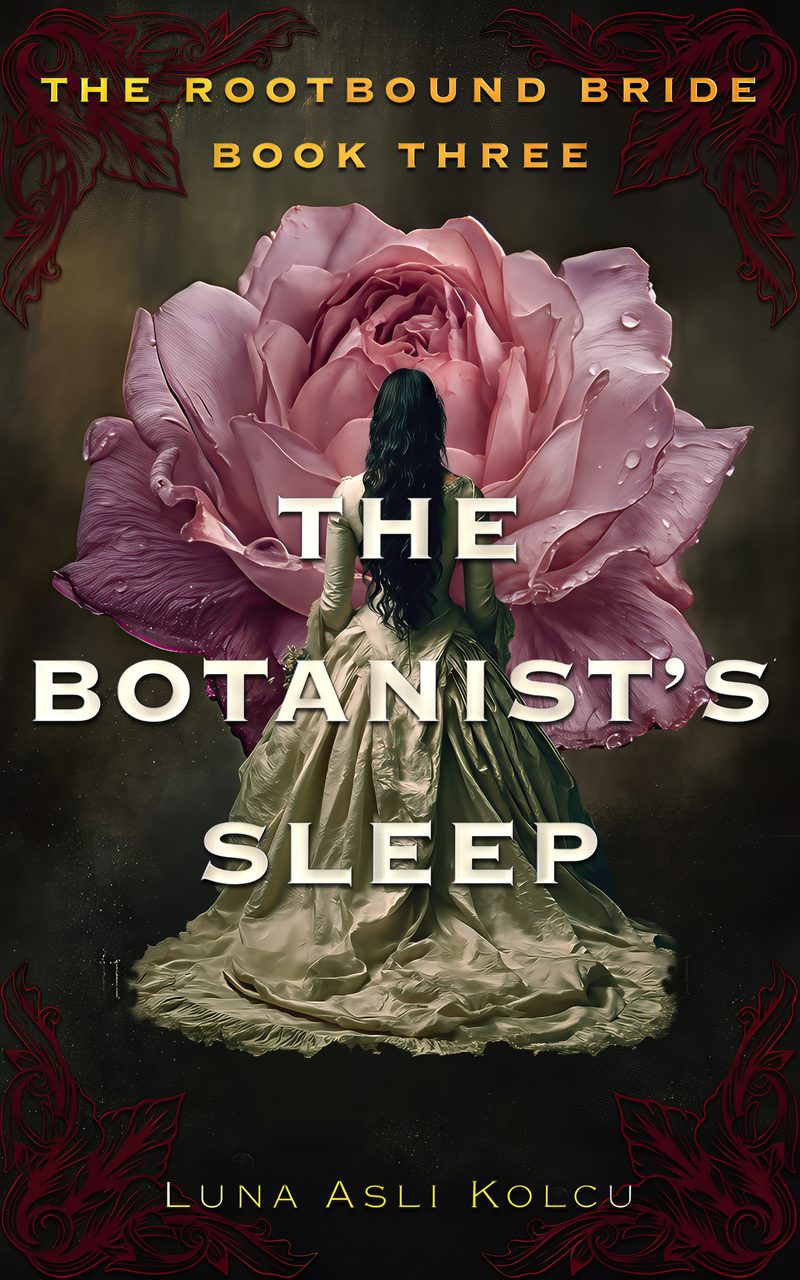
The Botanist's Sleep
Kindle Unlimited · print and audio everywhere
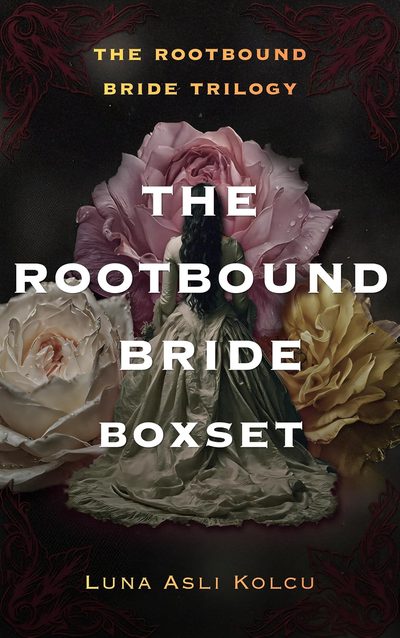
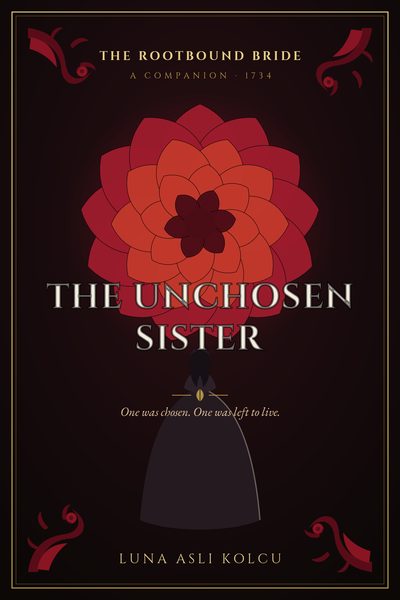
Married to Walter for six years. Married to Edward Sedgewick in silver. Only one of these marriages was hers to refuse.
The roses were lying. The botanist found out why.
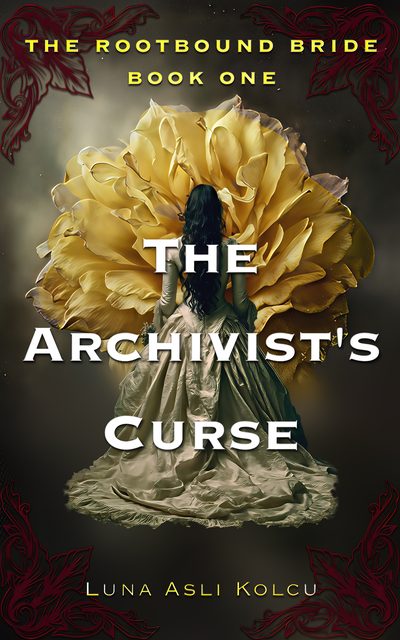
Cecily Armitage has been measuring the Aldermere estate for six years. The roses bloom in November. The yew grows twice its rate. The snowdrops emerge three months early. There is no botanical mechanism for any of it.
She has been Mrs Walter Holt for five of those years. Walter brought her bread on a Tuesday in 1845, found the six inches of bare wood between her litmus papers and her slide box, and set the loaf there without rearranging a thing. Six months later they were married. The cottage is small. The bed is oak. The cold is hers. He holds it.
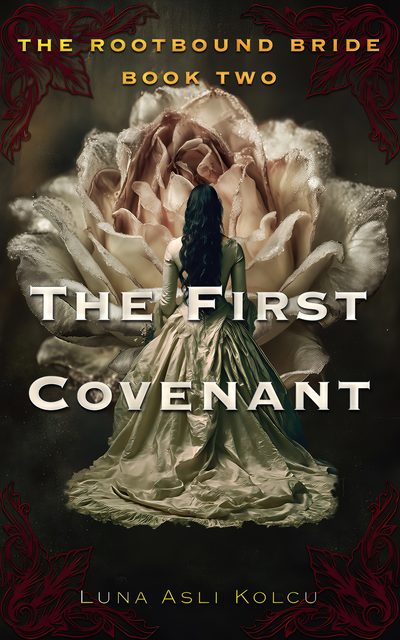
Then the matriarch arrives at her kitchen door with a contract three centuries old and a name Cecily did not know: Hargrove. Her mother's maiden name. The bloodline the entity beneath the maze has been waiting for. Seven months until the family invokes the contract older than the marriage law and binds her a second time — to Edward Sedgewick, the heir, in silver beneath the skin.
If she refuses, one hundred and forty-three people die.
So she does what she has always done. She measures. She builds an apparatus, a procedure, a methodology — an experiment designed to be run by the only hands she trusts to run it: Walter's. After. From outside.
Three pulses. Pause. Two pulses. Every morning. Until she hears.
For readers of Audrey Niffenegger, Susanna Clarke, and Katherine Arden — the devotional ache of The Time Traveler's Wife, the architectural strangeness of Piranesi, the folkloric grit of The Bear and the Nightingale.
Heat
One literary open-door scene early in the book. Subsequent intimacy is psychic and devotional, conducted through soil and signal. A Victorian gothic with a love story at its spine, not a romance with gothic elements.
Content note
Adult sexual content (one open-door scene), supernatural body horror, occult sacrifice contract, prolonged grief, a brief depiction of suicidal ideation, period-typical attitudes toward women in science.
- Length
- 374 pages
- Published
- 28 April 2026
- Genre
- Gothic horror